Luke L. Powell, PhD, is the director and co-founder of the Biodiversity Initiative. Luke is a research fellow at Durham University Department of Biosciences, and a Marie Curie Fellow at University of Glasgow. He received his Masters at the University of Maine, where he studied ecology and conservation of the rare and declining Rusty Blackbird, and received his PhD at Louisiana State University, where he studied the effects of rainforest disturbance on birds of the Brazilian Amazon. He has been working in tropical rainforests since 2005.
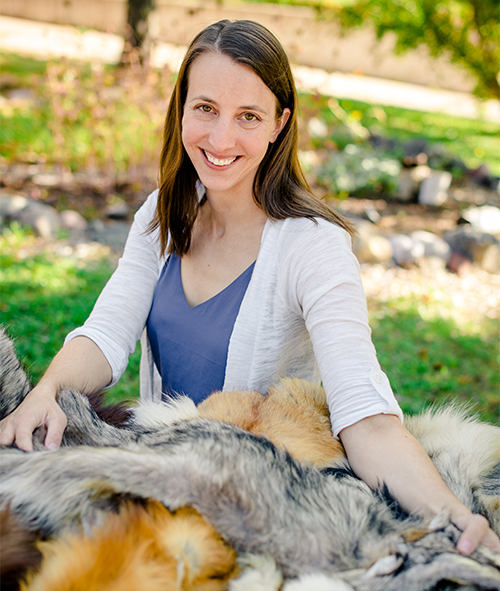 Kristin Brzeski, PhD, is a co-founder of Biodiversity Initiative and Assistant Professor at Michigan Technological University. Kristin’s work in Equatorial Guinea focuses on conservation strategies for Protected Areas and capacity building. She uses a wide range of tools including genomic sequencing, camera traps, and field-based techniques to best understand, manage, and conserve natural resources both in Central Africa and in North America.
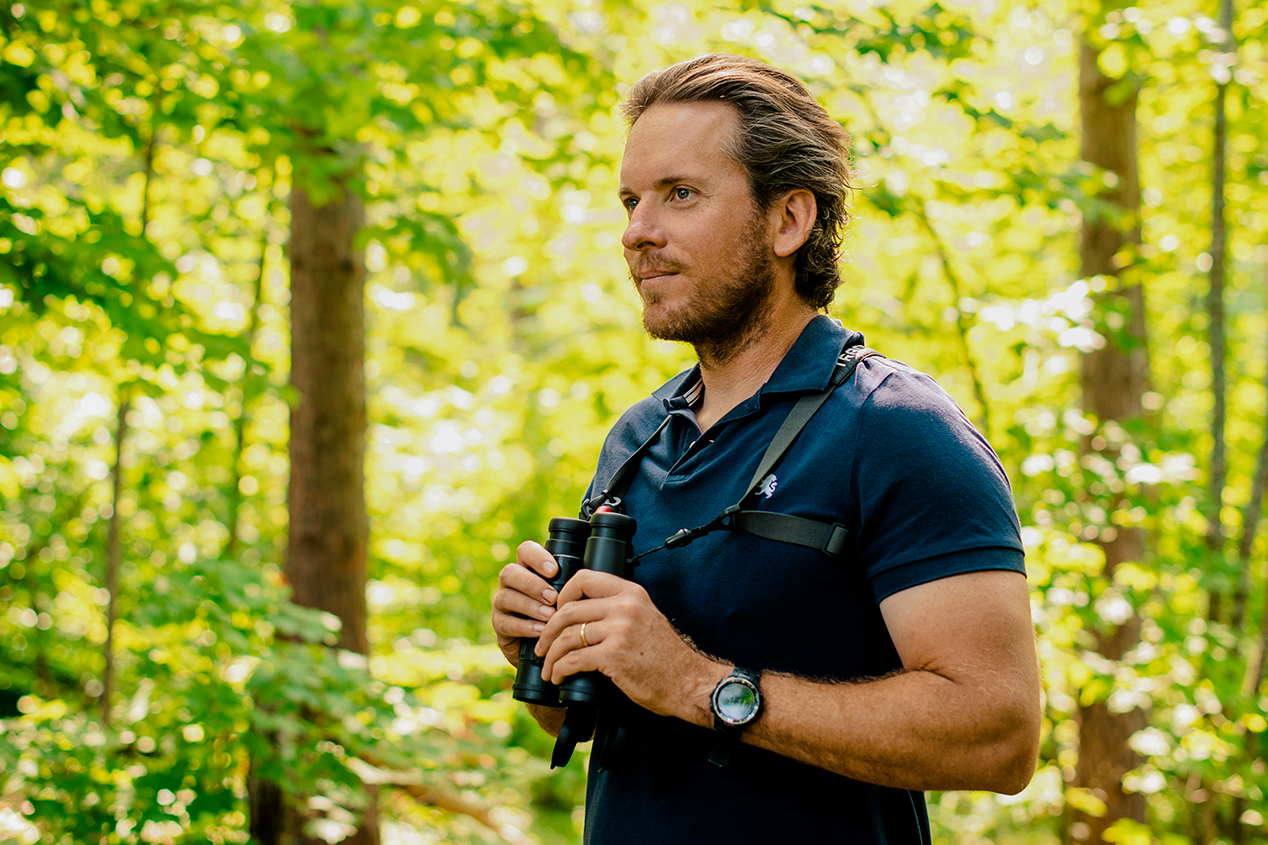
Jared Wolfe, PhD, is a Research Assistant Professor at Michigan Technological University and co-founder of Biodiversity Initiative. Jared has spent 15+ years working with tropical birds in Africa, Central and South America where he studies effects of climate and habitat change on sensitive bird species and wildlife communities. Jared also works with managers in North America to integrate wildlife management and conservation into sustainable forest stewardship.
 Agustín Ebana is BI’s in-country manager based in Bata, Equatorial Guinea. He is a also a biologist and technician with INDEFOR-AP, Equatorial Guinea’s forestry and protected areas program. Agustin (at left with bird) is managing BI’s effort to inventory mammals and large birds of Equatorial Guinea’s poorly-known mainland protected areas using camera “traps”. Agustin has a Bachelor’s degree from the Universidad Nacional de Guinea Ecuatorial.
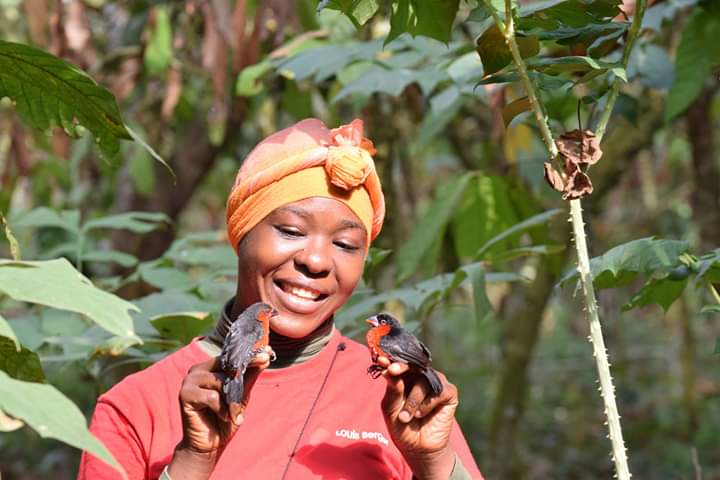 Mélanie Tchoumbou is BI’s Sustainable Cocoa Workshops Manager in Cameroon and Ornithological field technician in BI’s ongoing Cameroon cocoa farm research. She has a Master’s degree in Animal Biology from the University of Dschang, Cameroon, and is studying the impact of deforestation on bird communities and avian haemosporidian parasites in a tropical rainforest of Cameroon.
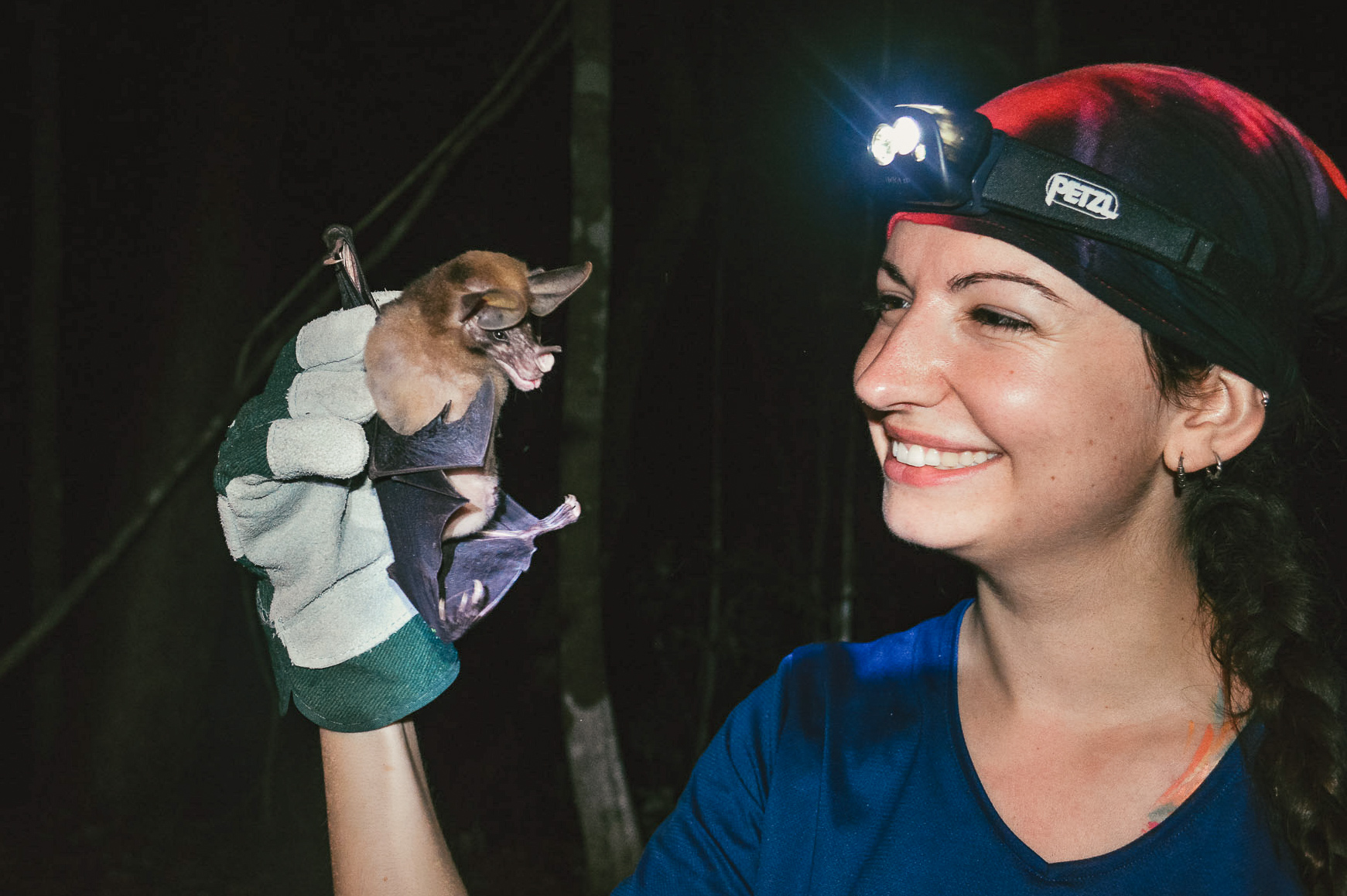 Laura Torrent Alsina is doing her PhD with the BiBio Research Group at the Natural Science Museum of Granollers, the Doñana Biological Station and the CIBIO-InBioM at the University of Porto. She is studying the bat fauna from Equatorial Guinea to set the baseline knowledge for future bat conservation actions. Her main research interest includes ecology, bioacoustics, taxonomy, capacity building and science communication, all with the aim to be applied on conservation. She did her MSc degree focusing on the role of temporal lakes in bat conservation in the Neotropical rainforests. Laura has worked on bat conservation and ecology projects in Catalonia, Poland, Mexico, Madagascar and Guinea Bissau. In addition to her research abroad, Laura collaorates on the citizen science Bat Monitoring Programme doing bat surveys, monitoring bat boxes and giving environmental awareness talks.
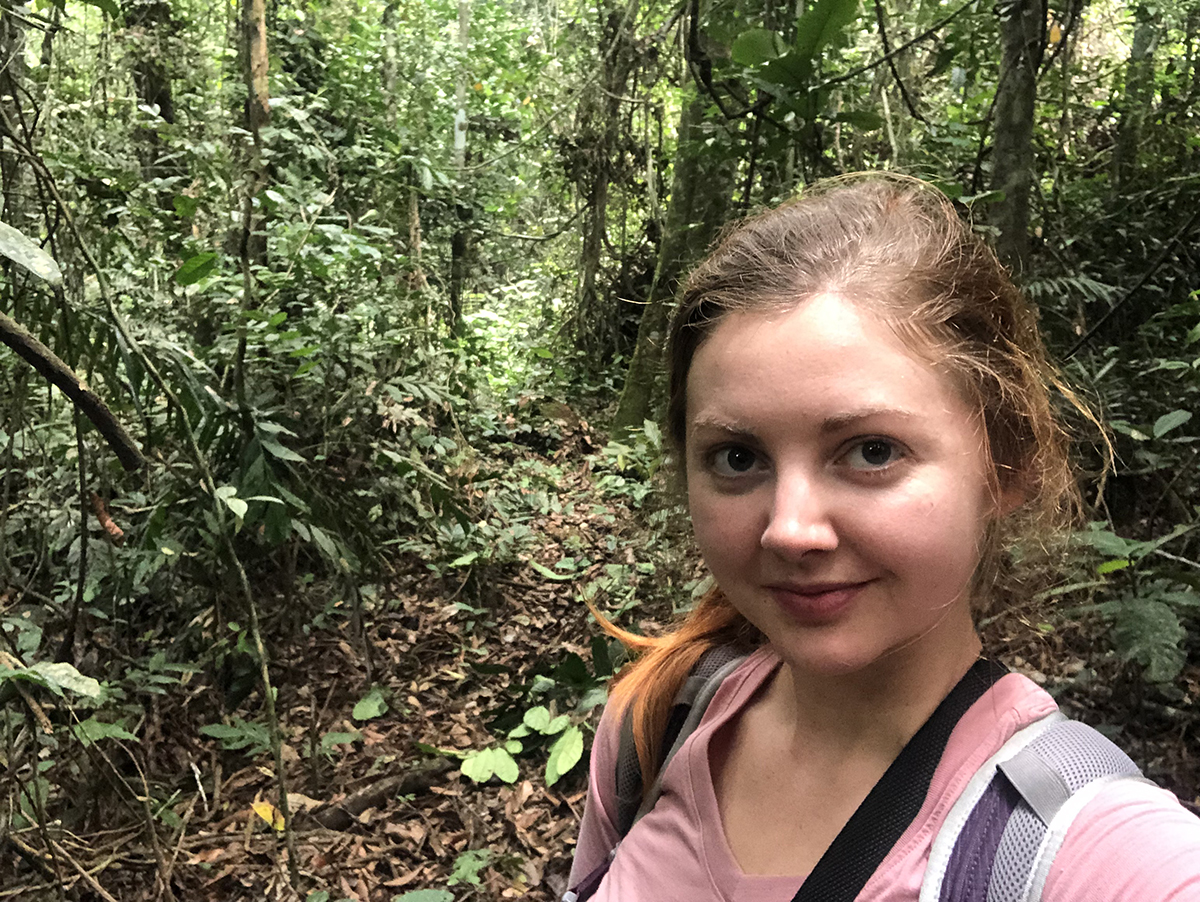
Tiff DeGroot is a Ph.D. Candidate in the Brzeski and Wolfe Laboratories studying mammalian biodiversity in tropical forests. She is using camera trapping and DNA metabarcoding of carrion flies, a promising new genetic method, to survey mammals in Equatorial Guinea. Tiff earned a B.S. in Biochemistry, Molecular and Cellular Biology at the University of New Hampshire, and has worked in the global wildlife conservation nonprofit space since 2017. She is interested in the interaction between humans and wildlife, and applied conservation to mitigate effects of these interactions.
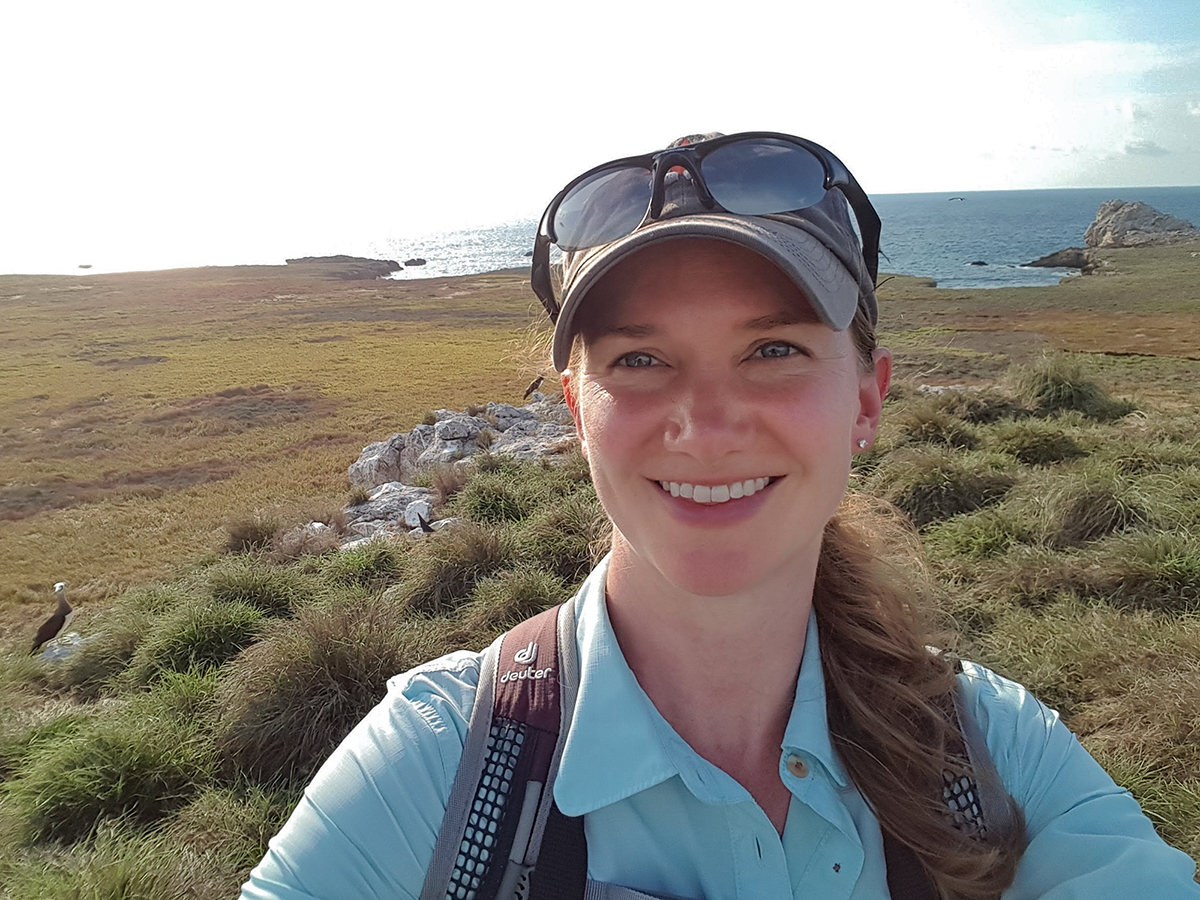 Andreanna Welch PhD, is a research assistant professor in the Department of Biosciences at Durham University. Her research centers on gaining a better understanding of the amazing biodiversity that we see around us today, how it arose, and how it has changed and is changing through time. She works on multiple scales at the intersection of ecology, evolution, cellular biology, physiology, and conservation. She uses a variety of genetic techniques, ranging from DNA metabarcoding, population and phylogenomics, transciprtomics, to full genome sequencing.
 Crinan Jarrett is a PhD student at the University of Glasgow’s Institute of Biodiversity, Animal Health and Comparative Medicine. She is focused on seasonal fluctuations in the bird community in cocoa farms and primary forest in Cameroon. Hailing from Catalonia, she has spent much time monitoring bird populations in Scotland through hundreds of nest boxes.
Diogo Ferreira is a Ph.D. student at the University of Porto’s Research Centre in Biodiversity and Genetic Resources. Since traveling to the Amazon to sample bats in 2014 for his Master’s thesis in Conservation Biology, his research interests shifted mainly to bats and their conservation. Diogo has worked on bat conservation and ecology projects across the world, including Portugal, Spain, Germany, Brazil, Kenya, Cameroon and Equatorial Guinea. For his Ph.D., Diogo is studying bats and food security in Cameroon using both mist-netting and bioacoustics, with the goal to promote sustainable cocoa plantations through bat ecosystem services.
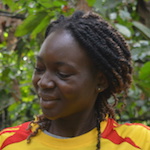 Tabe Tiku Regine Claire, MS, is an ornithological technician for BI. She received her Msc from Cameroon’s University of Buea, where she studied avian malaria. Claire is in charge of bird banding for BI’s cocoa project. Claire received a prestigious Master’s fellowship from GCRF; she is studying at the University of Glasgow’s Institute of Biodiversity, Animal Health and Comparative Medicine. She will study bats and birds that eat Malaria-carrying Anopheles mosquitoes.
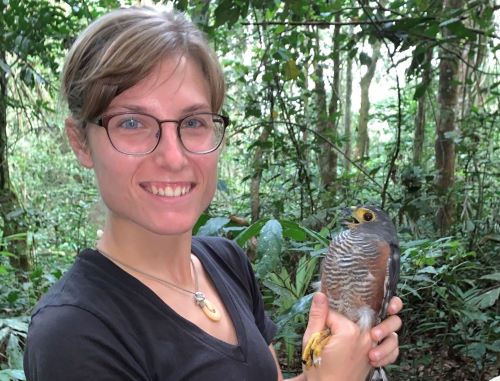
Billi Krochuk is an MSc student in the Jankowski Lab at the University of British Columbia. She is particularly interested in understanding how holistic landscape investigations can better inform our understanding of avian community dynamics across the Afrotropics. Her MSc research investigates how avian diversity respond to changes in forest structure as a result of selective logging. She completed her BSc & BSc Hons at the University of Cape Town where she worked with the Fitzpatrick Institute studying Pygmy Falcons in the Kalahari. She is interested in how traditional ecological knowledge and community-based management will transform conservation practices in Africa.
 Amandine Doré is a Ph.D. student at the University of Porto’s Research Centre in Biodiversity and Genetic Resources (CIBIO). She holds a master’s degree in Conservation Biology from Lund University, where she studied the Great Snipe for her thesis. Her research interests center on avian ecology and conservation, with extensive field experience as a bird ringer at observatories across Scandinavia, focusing on bird migration, molt, and species monitoring. She has also participated in bird ringing projects in South Africa, further developing her expertise in African avifauna. Her Ph.D. research, conducted in collaboration with the University of Cape Town, aims to establish long-term bird monitoring programs in southern Africa, including standardized bird ringing schemes to support conservation and biodiversity research in the region.
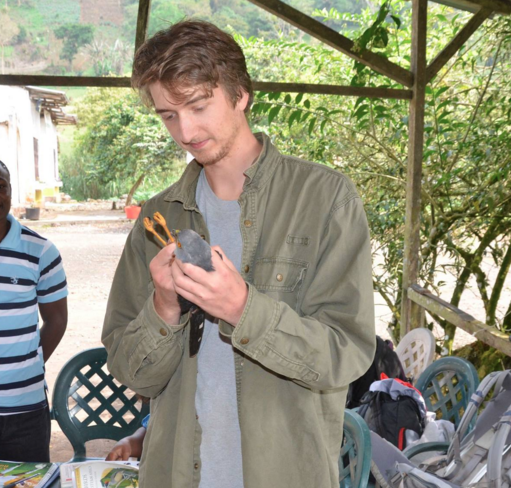
Jacob C. Cooper, MS, is an ecologist and evolutionary biologist working on his PhD at the University of Chicago and the Field Museum. His work focuses on the birds of Central Africa, but his publications span multiple continents. You can read more about his research at his personal website.
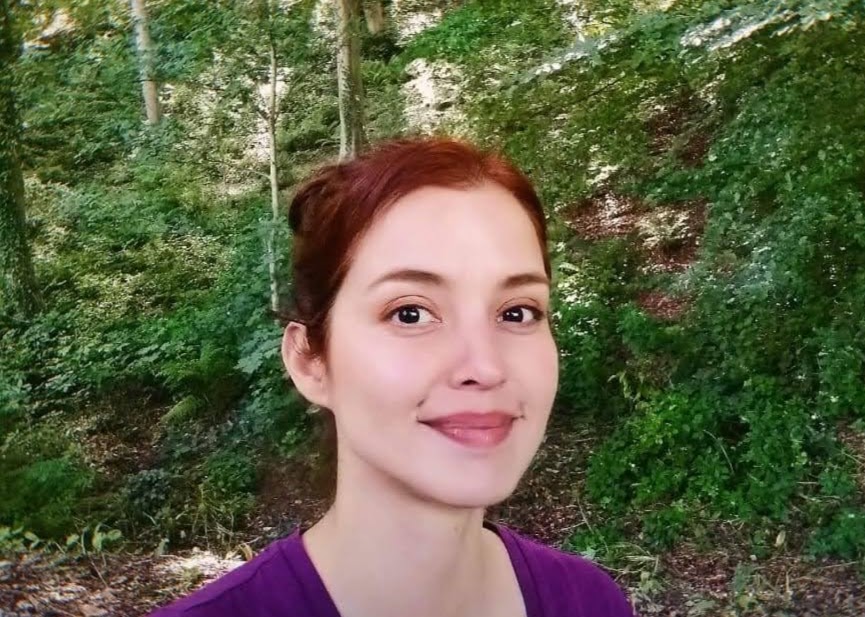
Alma Lisssette Sanchez Quinones is a PhD student at Durham University at the Ecological and Evolution Genetics Lab. She is researching the significance of biodiversity in ecosystem services and disservices in African Cocoa farms. In particular, she is interested in understanding the interactions and services of pollinators and key species through an interdisciplinary approach, from molecular biology to social sciences, for an ecologically and socially sustainable management.
 Panagiotis Nikolaou is a Ph.D. student at the University of Porto’s Research Centre in Biodiversity and Genetic Resources. His research focuses on the biological and physiological impacts of rainforest degradation on bird communities in Equatorial Guinea. Specifically, he investigates how forest clearings—such as roads and power lines—affect the movement ecology of understory birds in Central Africa. He is also studying the spatial behavior of ant-following birds using miniature tracking technology.
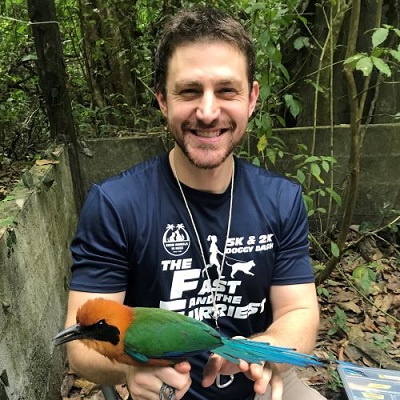
Henry Pollock, PhD is an integrative ecologist and postdoctoral researcher at the University of Illinois at Urbana-Champaign. His research takes place primarily in the tropics and focuses on understanding and mitigating the negative impacts of environmental change on species interactions and wildlife populations. In Africa, Henry is currently interested in understanding the role of Dorylus driver ants as ecosystem engineers, particularly their ecological importance and the impacts of forest degradation on their interactions with ant-following birds.
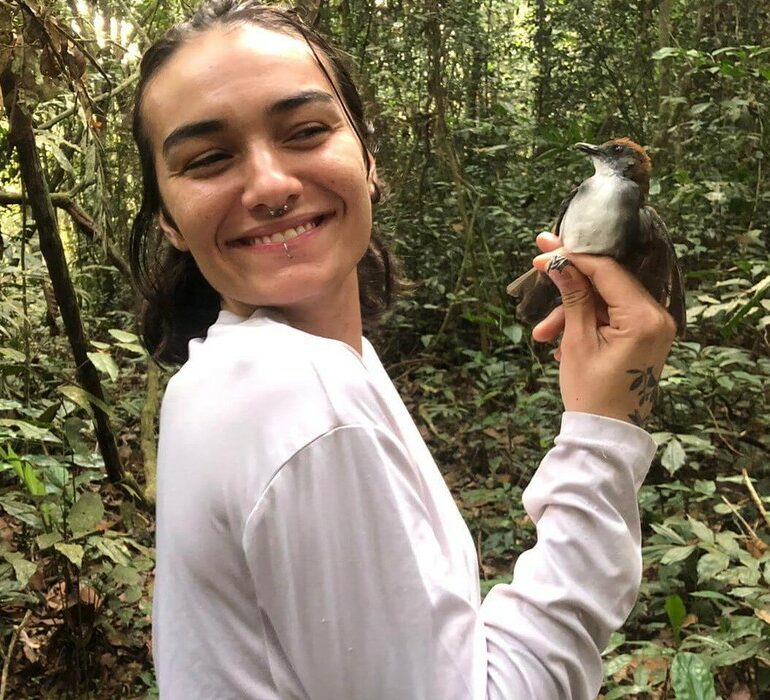 Patricia Rodrigues is a Ph.D. student in the Stouffer Lab at Louisiana State University. She studies the ecology and behavior of little-known Afrotropical ant-following birds to help explain their sensitivity to forest disturbance. Patty graduated with a B.S. in Wildlife Ecology and Conservation from University of Florida in 2014. She is interested in using Pantropical comparative studies to help elucidate global patterns of avian declines in increasingly disturbed tropical landscapes.
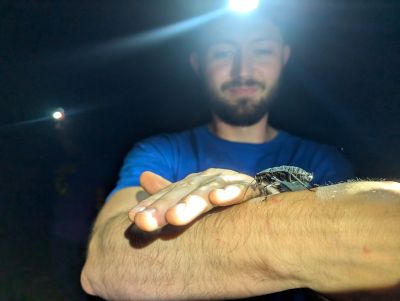 Max PTG Tercel, PhD, is an entomologist with a particular fondness for ants. He received his MSc in Entomology from Harper Adams University, UK, and went on to earn his PhD at Cardiff University, where he studied the diet and ecological role of non-native ants in Mauritius. He has broad entomological interests, but is especially excited by how ants influence the species and communities around them, and he has used a combination of molecular techniques and traditional entomology to study community ecology. He is currently working with Luke L. Powell on a range of questions relating to the ecology of Dorylus driver ants in the tropical rainforests of Central Africa.
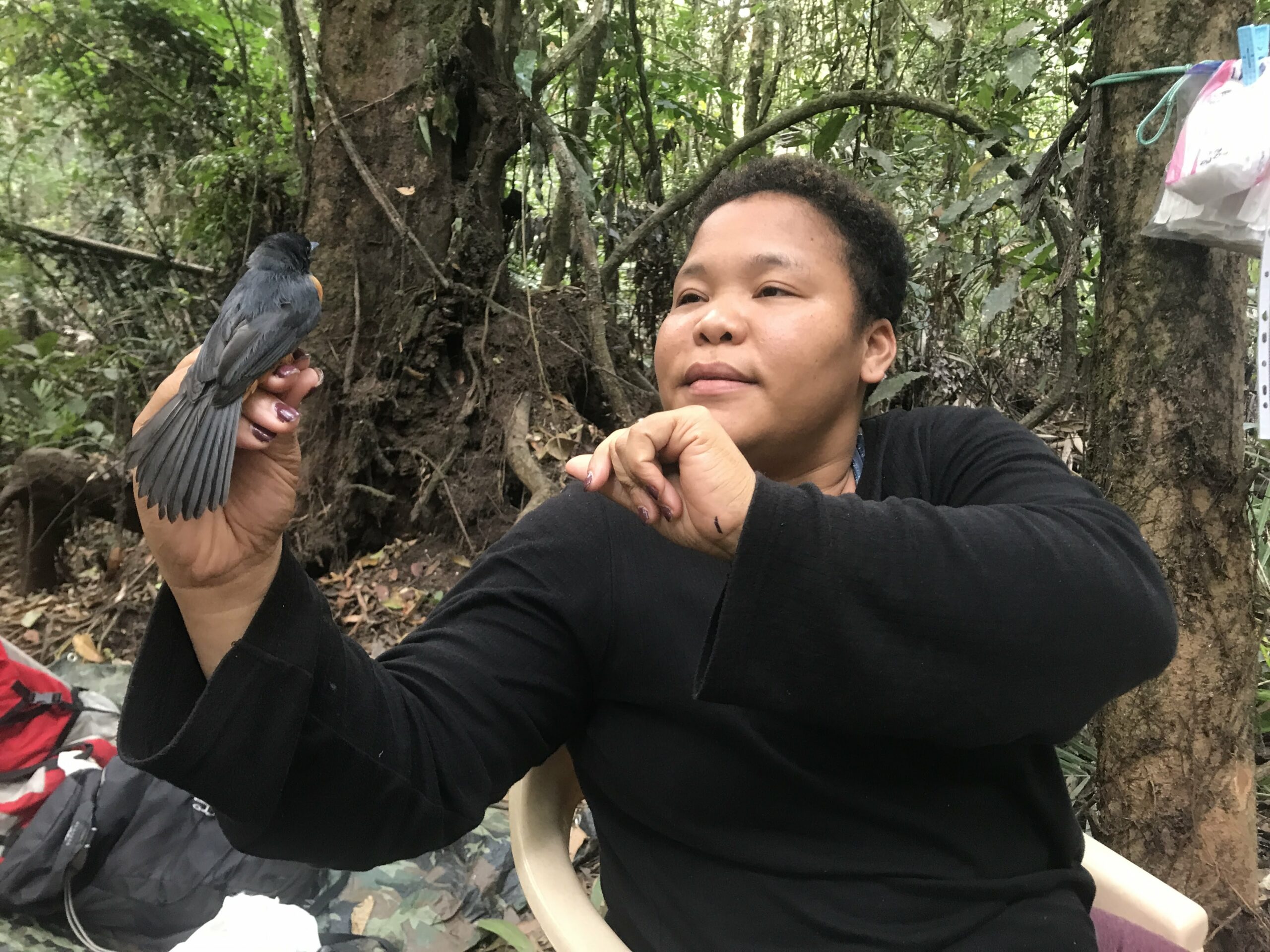 Susana Ayingono Lin Mifumu holds a degree in Environmental Sciences. Her research focused on avian diversity in the forests surrounding Djibloho Province, particularly in the Oyala district. She compared species composition between primary and secondary forests, identifying the bird communities present in each habitat type. Her study also assessed sampling effort to better understand species richness across sites.
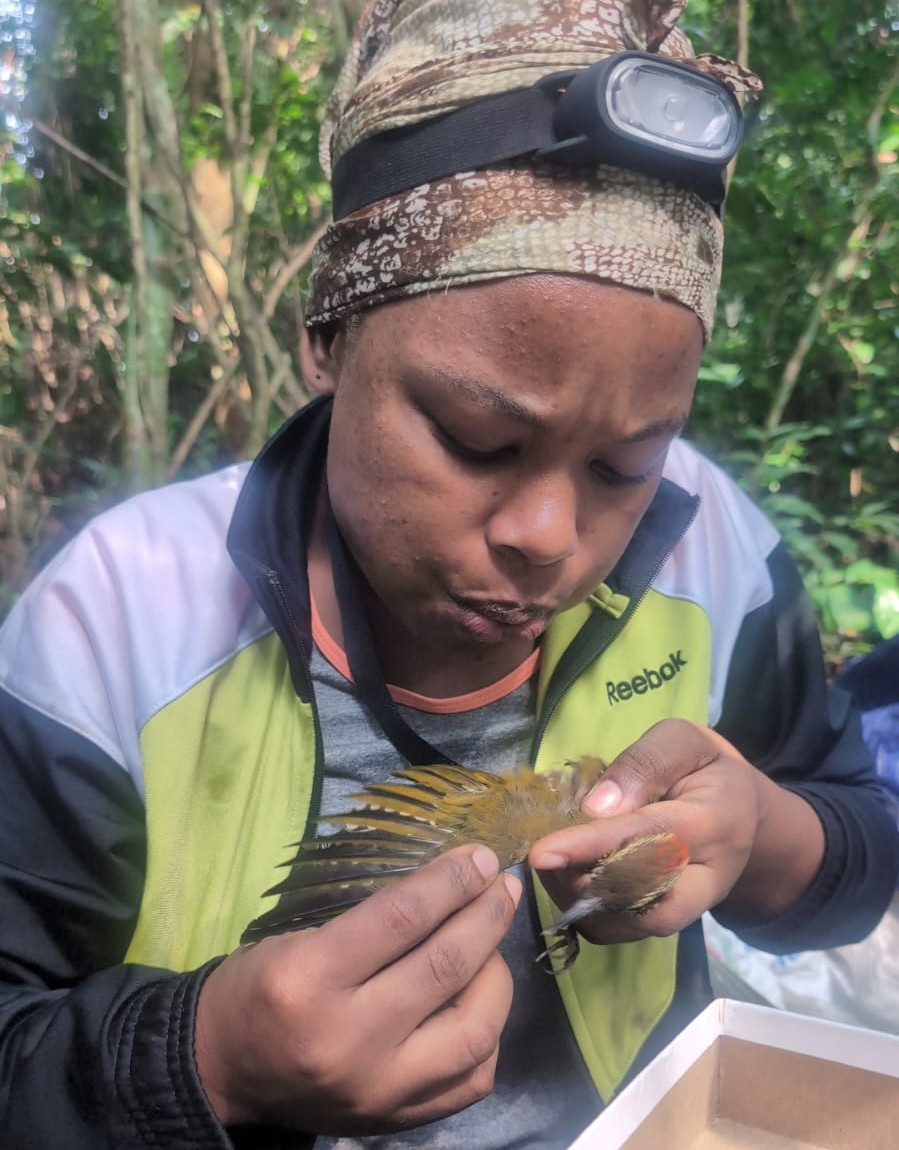 Coloma Sonsoles Nzang Micha Zabea, is a forest technician and final-year environmental science student at the National University of Equatorial Guinea, is focusing her research on the impacts of the edge effect on biodiversity in Djibloho province (Oyala). She’s using the bird population (avifauna) as an indicator of change. Her study involves comparing vegetation structure in both the edge zone (secondary forest) and the forest interior (primary forest) to determine how changes in forest structure have affected bird communities.
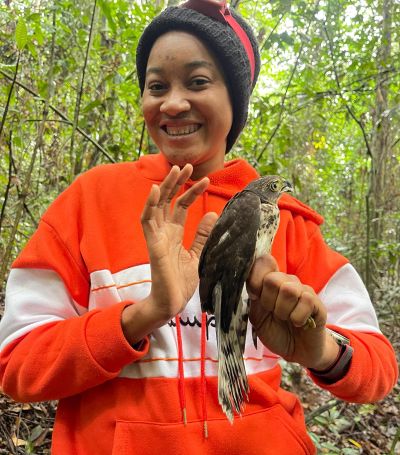 María Nchama Ela Nchama is a Forest Engineer, graduated from the National University of Equatorial Guinea (UNGE). She is a researcher at the National Institute of Forest Development and Protected Areas System (INDEFOR-AP) and a technician at the National Herbarium of Equatorial Guinea, with over three years of experience. Her work focuses on vegetation studies and the conservation of forest ecosystems, as well as the impacts of climate change on tropical environments. She has contributed to research on bird diversity in the forests of Djibloho Province and is currently involved in a project on medicinal plants.
Past Alumni
 Taylor Smith is BI’s Development Manager. She studied Ecology and Evolutionary Biology at the University of Toronto, Canada and received her Masters in Global Wildlife Health and Conservation from the University of Bristol, England. Now based in Scotland, Taylor works in funding development across nature conservation organisations. She focuses on managing stakeholder relationships and securing financial support for BI’s research and work programs.
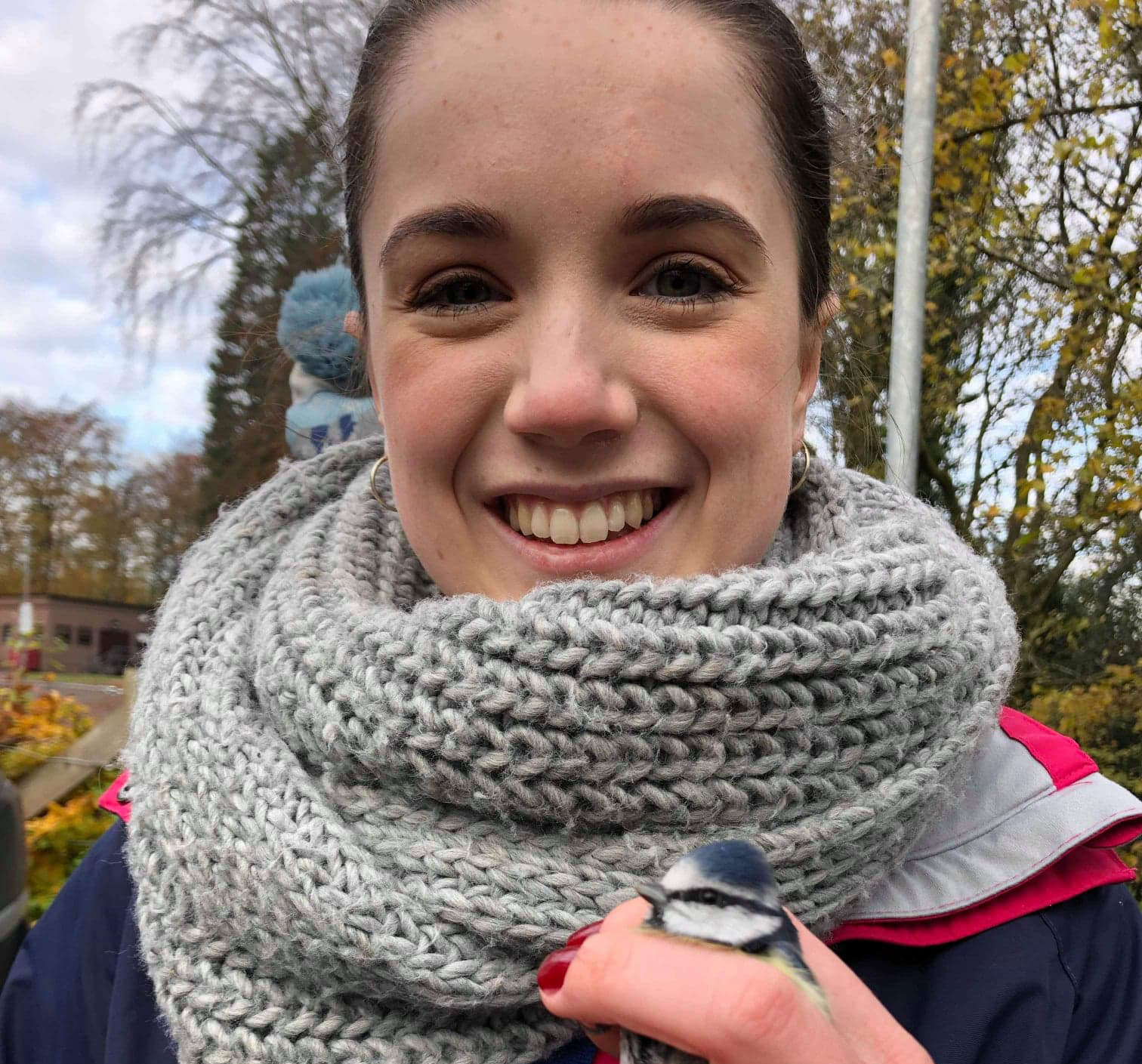 Ellie Barrie is a masters student at the University of Glasgow who is focusing on the differences in bird community structure between primary and secondary rainforest. She previously did her undergraduate degree at Glasgow where she investigated the foraging ecology of Northern Gannets using stable isotope analysis. She has also carried out fieldwork in the Outer Hebrides, studying the ecology of machair grasslands and their fauna, including wading birds and bees.
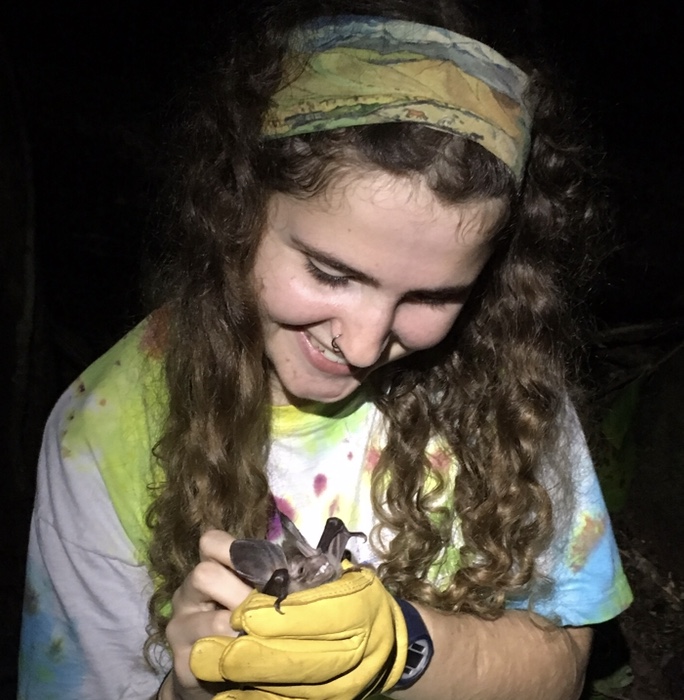 Alexandra Darling is a master’s student at the University of Glasgow. During her undergraduate degree she took part in two expeditions to Guyana where she carried out baseline surveys on bats and studied how lunar activity influenced bat community structure. She has also been involved in monitoring bats in Scotland and has taken part in conferences and numerous outreach platforms to raise awareness about the importance of bats. She is studying how different cocoa farming management types affect Cameroon’s bat community for her master’s thesis.
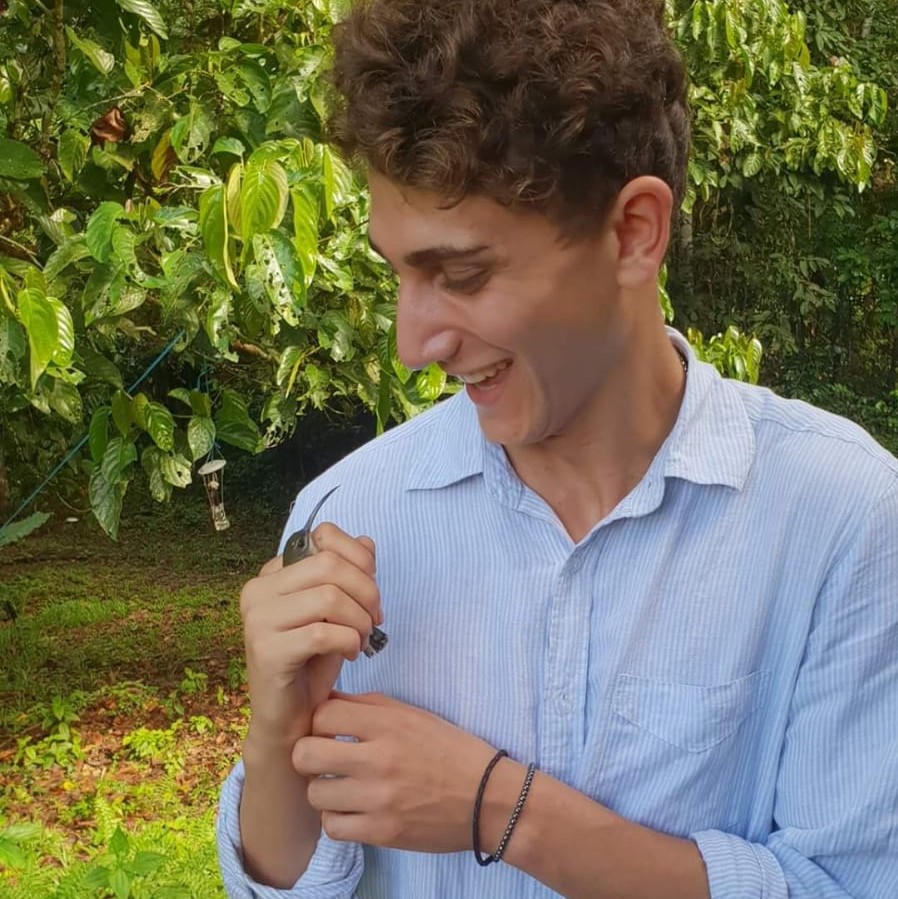 Josh Hothersall is a master’s student at the University of Glasgow. He is currently investigating cryptic bat species from cocoa farms in Cameroon, analysing their diet and genetics. He previously completed an undergraduate degree at the University of Oxford, where he was involved in research on human genetic ancestry, as well as investigating fish diversity in tropical forests in Borneo.